A dripping noise at the top of your geyser, or a sudden lack of hot water, often gets blamed on the wrong part. Many homeowners assume it’s the pressure relief valve. Often, the real problem is a small, cheap component called the vacuum breaker. Understand geyser vacuum breaker replacement cost before you call a plumber. It can save you from an inflated quote and a repair that doesn’t fix the actual fault.
What Does a Geyser Vacuum Breaker Actually Do?
A vacuum breaker is a small valve fitted to the cold water inlet pipe of your geyser. Its job is simple: it lets air into the pipe when water drains out of the tank. This stops a vacuum from forming inside the system.
Without it, a vacuum can form when the geyser cools or when water is drawn off unevenly. This can collapse the tank’s inner lining, cause banging noises, or stop water from flowing properly through the system. The part is small, but it protects the geyser from real internal damage.
Where the Vacuum Breaker Sits on Your Geyser
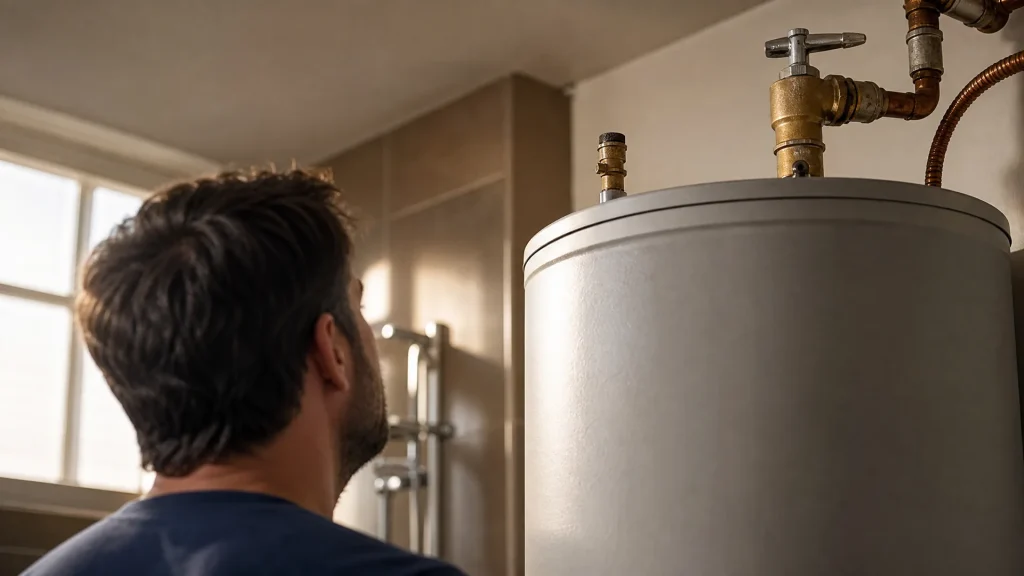
You’ll usually find the vacuum breaker on top of the geyser, near the cold water inlet pipe. It sits close to the pressure relief valve. That’s one reason the two get mixed up so often. On most residential installations, it’s a small brass or plastic fitting with a visible cap or vent.
If you’re standing under the geyser looking up, the vacuum breaker is often the smaller of the two fittings. It’s worth pointing this out to a plumber over the phone. Describing the wrong part can lead to a wrong quote.
Signs of a Faulty Geyser Vacuum Breaker
A faulty vacuum breaker rarely fails silently. It tends to show up in one of three ways: dripping, whistling, or a geyser that won’t fill properly. Each points to the same small part, not the tank itself.
Dripping or Whistling From the Top of the Geyser
Dripping from the top of the geyser is one of the most common complaints plumbers hear. It’s easy to assume this means the whole geyser is failing. But if the drip comes from the smaller fitting near the inlet pipe rather than the relief valve, the vacuum breaker is the likely cause.
A whistling or hissing sound is another giveaway. This usually happens when the internal seal or float mechanism inside the breaker has worn out. Air moves through the valve unevenly, creating noise instead of a clean, quiet flow. If you notice unusual sounds building up over time, read up on geyser whistling or making noise before it bursts. Noise on its own isn’t always urgent, but it shouldn’t be ignored either.
Understanding geyser dripping from top cost issues starts with correctly identifying which part is dripping. A vacuum breaker fix is far cheaper than a full valve or tank replacement, so getting the diagnosis right matters.
Geyser Not Filling With Water
A stuck or jammed vacuum breaker can also stop water from filling the tank properly. If the valve doesn’t seal correctly, air keeps entering the system instead of letting water fill the space it should. This can leave you with lukewarm water, low pressure, or a geyser that seems to run dry faster than usual.
This symptom overlaps with other plumbing issues, so it helps to rule out other causes first. For a broader look at diagnosing why your geyser isn’t filling with water, check supply pressure and inlet valves too, not just the breaker itself.
Geyser Vacuum Breaker vs Pressure Relief Valve: How to Tell the Difference
This is the mix-up that costs homeowners the most money. The vacuum breaker and pressure relief valve sit close together on top of the geyser, and both can drip. But they do very different jobs.
The pressure relief valve releases water when pressure or temperature inside the tank gets too high. It’s a safety device. When it fails, it usually drips steadily, sometimes with a hissing sound under pressure. If your issue matches this pattern, read about geyser leaking from the pressure relief valve to confirm before booking a repair.
The vacuum breaker, on the other hand, deals with air entering the system, not pressure escaping it. Its drips tend to be lighter, and it’s more often linked to whistling or fill problems than to a steady leak.
Plumbers on the plumber-plumbers.co.za network say homeowners frequently mistake vacuum breaker complaints for pressure relief valve failures, which leads to incorrect quotes. Tell a plumber which fitting is dripping, and roughly how much water it’s losing. That detail helps them quote correctly the first time.
Geyser Vacuum Breaker Replacement Cost Breakdown
Vacuum breakers are one of the cheapest parts on a geyser, but total geyser part replacement cost in South Africa depends on more than just the component itself. Labour, access to the geyser, and whether other repairs happen at the same time all affect the final bill.
Part Cost vs Labour and Call-Out Fees
The part itself is inexpensive. Typical vacuum breaker part costs in South Africa fall in the low hundreds of rand. A homeowner in Johannesburg calling out a plumber for a “leaking geyser” is often quoted for a full valve replacement, when the actual fault is a R150–R400 vacuum breaker part. That gap in diagnosis is exactly where overspending happens.
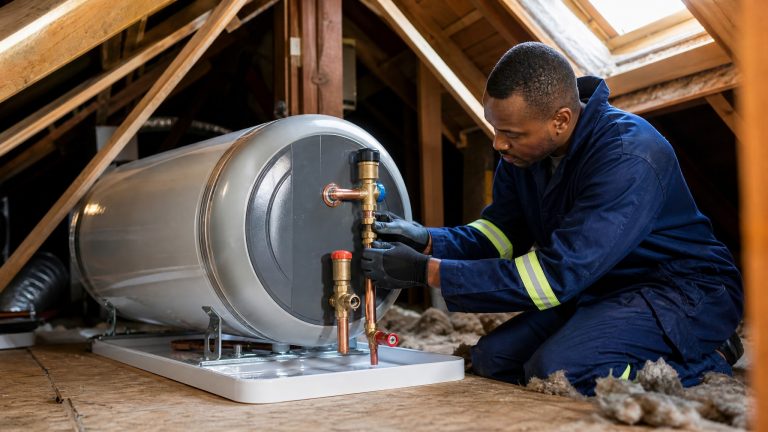
Once you add labour and the geyser plumber call out fee, total replacement including labour and call-out often lands between roughly R600 and R1,500. Geysers in roof spaces or awkward positions push costs toward the higher end, since access takes longer and may need extra safety precautions.
Regional pricing also varies. Call-out fees in major metros differ from smaller towns, and after-hours or weekend callouts usually cost more than a scheduled daytime visit. For a sense of how these numbers are typically presented, see what to expect from a geyser repair quote before you accept one.
Why Bundling This Repair With Other Geyser Work Saves Money
A vacuum breaker rarely needs replacing in isolation. It’s a small job, and the call-out fee often costs more than the part itself. That’s why plumbers usually suggest checking a few related components while they’re already on the roof or in the ceiling.
Bundling a vacuum breaker swap with a scheduled geyser service or pressure relief valve check is a common way SA plumbers cut the number of separate call-out fees a household pays. Instead of paying for two visits weeks apart, one visit covers both.
It’s also worth asking about the drip tray while the plumber is there. A cracked or missing tray is another low-cost fix that’s easy to bundle in. Checking geyser drip tray installation cost alongside a vacuum breaker replacement means one call-out covers two small jobs instead of two separate bills.
If your geyser is older or has had several small faults recently, ask the plumber to do a general inspection during the same visit. Catching a second issue early, before it becomes a bigger repair, is usually cheaper than waiting for it to fail on its own.
When to Call a Plumber vs Attempting DIY Replacement
A vacuum breaker looks simple enough to unscrew and replace yourself. In practice, it sits on a pressurised hot water system. Getting it wrong can cause a leak, a burst fitting, or damage that isn’t covered by your geyser’s warranty.
Most geyser manufacturers require certified installation for warranty claims to remain valid. If you replace a part yourself and something goes wrong later, that warranty protection may no longer apply. That’s a real cost even when the part itself is cheap.
Experienced plumbers generally recommend replacing a faulty vacuum breaker as soon as you notice dripping or whistling, since a stuck or failed breaker can affect how the geyser fills and heats water. Waiting doesn’t usually make the fix cheaper. It just gives the fault more time to affect other parts of the system.
If you’re unsure whether this is a job for a professional or something that can wait, weigh it against general guidance on when to call an emergency plumber instead of a DIY fix. A vacuum breaker issue isn’t usually an emergency, but it’s not one to leave for months either.
If the dripping, whistling, or fill problems point to something bigger than a single part, compare costs against a full geyser replacement cost guide before committing to repeated repairs.
The most cost-effective route is usually a single, well-scoped visit. Describe the symptoms clearly, mention that you suspect the vacuum breaker rather than the relief valve, and ask for a fixed-price quote that bundles any other small checks the plumber recommends. That approach avoids repeat call-out fees and gets the right part replaced the first time.