The ITS heat pump price in South Africa splits into two different worlds: residential units and commercial systems, with the cost shifting sharply once you factor in capacity and power phase. Buyers often struggle to match kilowatt output to actual hot water demand. Get the sizing wrong and you end up with an undersized unit that can’t keep up at peak times, or an oversized one that wastes money sitting idle. This guide breaks down current pricing across the range, from entry-level domestic models to industrial three-phase systems, so you can identify the right model before requesting a quote.
Current ITS Domestic Heat Pump Pricing by kW Size
Residential pricing depends mainly on heating capacity and whether the unit runs standard or high-temperature technology. Treat every figure here as an approximate indicator, not a locked retail price, supplier stock levels and exchange rate moves adjust the ITS heat pump price in South Africa fairly often.
ITS-3.6HD and ITS-5.4HD for Standard Households
The entry point for the range is the ITS-3.6HD domestic heat pump, which typically costs around ZAR 12,972 and suits smaller households. It’s rated for geysers up to approximately 200 litres, so it’s built for a standard household, not a generic fit for anything larger. Step up to the ITS-5.4HD and the price moves to around ZAR 14,484. That buys faster recovery for families running more than one hot water point at once.
This mid-tier option suits geysers between 200 and 300 litres, where multiple bathrooms run at the same time.
ITS-7.6HD and High-Temperature Super Series Options
Larger homes needing more volume should look at the ITS-7.6HD, priced around ZAR 16,500. It’s built for high-demand residential systems that shouldn’t struggle during cold snaps. For applications that need hotter output, the ITS-4.5HDSuper costs around ZAR 15,114 and delivers higher thermal output despite a lower kW rating than the standard 7.6kW model. The ITS-6.3HDSuper sits at approximately ZAR 17,079, bridging high-temperature capability with more volume for demanding residential setups.
The Super series models prioritize reaching a higher temperature over raw recovery speed. That matters if your system feeds underfloor heating or specialised sanitary fixtures.
ITS Commercial Heat Pump Cost Breakdown for Business Applications
Commercial installations need different engineering tolerances and electrical configurations. That’s why the ITS commercial heat pump cost exceeds domestic equivalents even at similar kW ratings. Business buyers have to choose between single-phase convenience and three-phase industrial capacity, and that choice decides both the upfront spend and how well the system holds up under continuous load.
Single-Phase ITS-11HD for Light Commercial Use
The ITS-11HD commercial unit retails for around ZAR 22,674 and runs on standard single-phase power. That means no expensive electrical upgrade in older buildings. It suits guesthouses, small office blocks, or large estates where three-phase supply isn’t available but a domestic unit can’t meet the continuous load. You get real headroom over the 7.6kW domestic range without the cabling costs that come with industrial power distribution.
Light commercial buyers land on this model because it balances simple installation against enough thermal output for moderate occupancy.
Three-Phase ITS-22HD3 for Industrial Hot Water Systems
Heavy-duty applications call for the ITS-22HD3, which costs around ZAR 34,014 and delivers double the heating capacity through a three-phase connection. Commercial sites needing higher volume tend to use this unit, which has horizontal air discharge built for industrial hot-water systems. It fits hotels, hospitals, and manufacturing facilities where demand for hot water stays constant day and night.
The price premium reflects industrial-grade components built for continuous operation, not the intermittent cycling you get in a home.
Matching ITS Heat Pump Models to Household and Business Needs
Picking the right model comes down to matching thermal output to your vessel size and user count. Get it wrong and the unit either can’t deliver enough hot water or wears itself out through short-cycling. The rule of thumb: match kW output to geyser volume and recovery time. Oversized units cycle too often; undersized ones fail right when demand peaks.
Sizing Guidelines Based on Geyser Capacity and Occupancy
A 3.6kW unit pairs with vessels up to 200 litres serving two to three people. A 5.4kW model handles 200–300 litre systems for families of four or five. Larger households with 400-litre storage, or multiple en-suite bathrooms, typically need the 7.6kW model to keep recovery rates acceptable during the morning rush. Commercial venues should size against peak simultaneous usage rather than average daily consumption, because hospitality settings see demand spikes that domestic sizing formulas underestimate.
Undersizing creates lasting frustration: the system never catches up during high-draw periods.
High-Temperature vs Standard Domestic Performance Differences
Standard HD models are tuned for typical sanitary hot water temperatures around 55°C to 60°C, which suits showers and general household use well. The HDSuper range trades some efficiency for higher outlet temperatures, which matters when you’re feeding dishwashers, laundry equipment, or hydronic heating loops directly. Chasing the lowest ITS heat pump price in South Africa backfires if your application actually needs the thermal output the Super series delivers.
Decide on required output temperature first. Let price act as a secondary filter among the options that are technically suitable.
Understanding Wi-Fi Features and Installation Value in ITS Pricing
Every ITS model listed here, including the HDSuper series, comes with current-generation built-in Wi-Fi control as standard, not as an add-on. That means you can monitor energy use, adjust setpoints remotely, and get fault notifications without buying a separate controller or paying for proprietary gateway hardware.
Installation complexity affects your final project cost well beyond the unit’s sticker price, especially when you’re retrofitting existing plumbing or upgrading an electrical distribution board. A compliant installation needs certified professionals who understand refrigerant handling and pressure vessel regulations, and their labour rates vary with site accessibility and the state of existing infrastructure. A budget quote that skips electrical compliance certificates or proper isolation valves looks cheap right up until an insurance claim or a maintenance call exposes the gap.
Comparing ITS Heat Pump Costs Against Alternative Water Heating
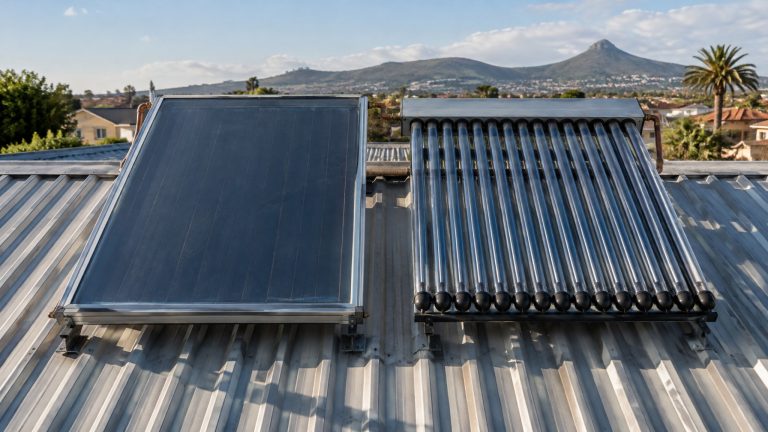
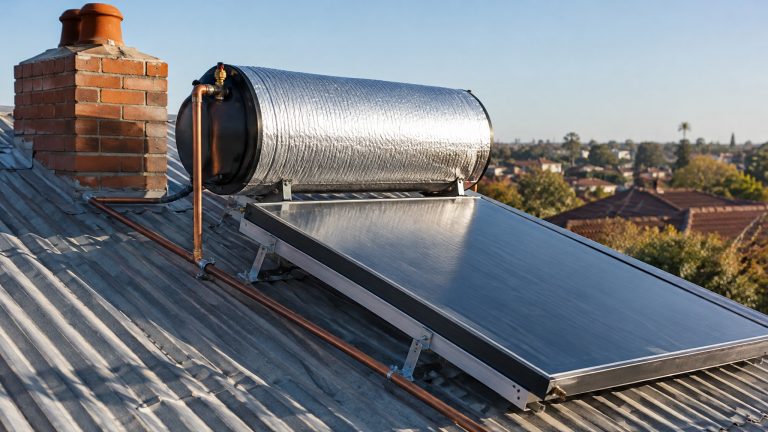
An ITS heat pump costs more upfront than a straight electric element replacement, but it typically undercuts a full solar geyser conversion once you price in collector panels and mounting hardware. A detailed heat pump vs solar geyser comparison shows heat pumps offering steadier year-round performance, since they don’t depend on direct sunlight or the season. Electric elements are cheaper to install upfront but burn three to four times more electricity over the system’s life, which makes them a poor choice for primary water heating in 2026.
Heat pumps won’t erase your electricity bill, and a property with very low hot water use may never earn back the capital cost through savings alone.
Heat pumps also recover faster than passive solar systems during extended cloudy spells, so hot water stays available regardless of the weather. If your existing cylinder is corroded or near the end of its life, check our geyser repair or replace decision guide before committing to any upgrade.
Where to Buy ITS Heat Pumps and Request Accurate Quotes
Verified pricing and stock availability come only from authorised suppliers who can confirm the SKU against current inventory. Ask for an itemised quote that separates equipment cost from installation labour and electrical materials. That’s how you catch hidden markups or substituted components. Our guide on comparing plumber quotes helps you judge whether a quote reflects fair market value or an inflated margin dressed up as a package deal.
Unverified retailers may advertise lower prices, but they often lack technical support, warranty backing, or access to genuine spare parts when something fails. A professional installer carries liability for compliant workmanship and can advise on model suitability based on site conditions that a spec sheet can’t capture. Request a detailed quote for the exact model you’ve identified, and you’ll get pricing tied to real stock rather than an estimate that shifts once you actually place the order.
Frequently Asked Questions About ITS Heat Pump Pricing
Pricing questions go beyond the sticker figure, into total ownership cost, model differences, and how these units stack up against other technologies. Readers often ask about downsides, swimming pool use, and geothermal comparisons, topics that sit outside the domestic and commercial hot water scope covered above.