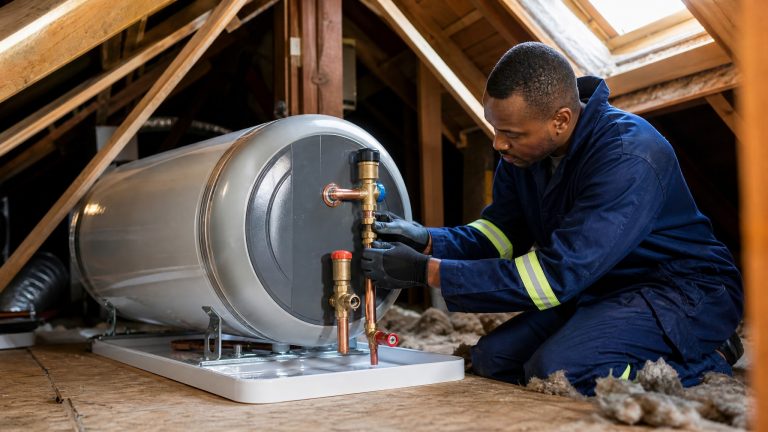
Choosing between a heat pump and a solar geyser in South Africa means looking past generic efficiency ratings. What matters is how each system performs under local grid constraints and your actual household budget. Both technologies cut electricity use compared to standard resistance elements, but they get there through different mechanisms, and that affects upfront cost, resilience during power cuts, and what you pay to run the thing for years afterward.
This comparison looks at the practical realities of installing Alliance Apollo solar systems against market-standard heat pumps, so you can work out which technology fits your property and your budget. Neither option wins outright. The right choice depends on whether you care more about load shedding independence or flexible installation in a shaded spot.
Understanding the Core Difference Between Heat Pumps and Solar Geysers
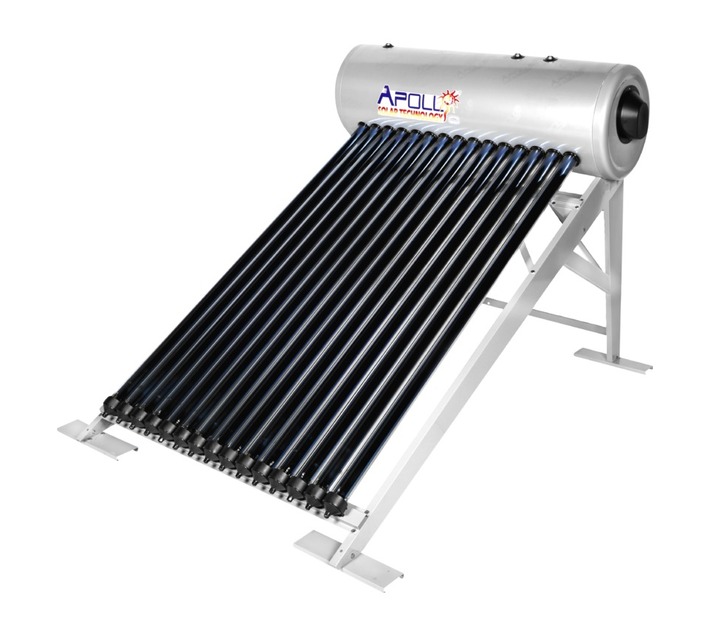
Solar geysers and heat pumps both pull in ambient energy, but the physical process behind each is incompatible with the other, and that shapes how they perform across the year. A thermosyphon solar geyser collects heat directly: sunlight strikes an absorber plate inside evacuated tubes or flat plate collectors, and the heat transfers to water by natural convection, no mechanical assistance needed. That’s a passive process. The system makes hot water whenever there’s enough sun, whatever the electrical supply is doing.
Heat pumps work on a different principle entirely. They extract latent heat from the surrounding air using a refrigerant cycle driven by an electric compressor. The unit pulls in ambient air, passes it over evaporator coils holding cold refrigerant, compresses the warmed gas to push its temperature higher, then transfers that heat to stored water through a condenser coil. It’s a mechanical process, so it delivers heat whether or not the sun is out. But it depends entirely on continuous power to run the compressor, the fans, and the control electronics.
No electrically driven alternative can replicate true solar thermal resilience, because the energy source itself sits outside the grid. Thermosyphon solar systems keep hot water reserves going through load shedding because they don’t need pumps or controllers to function. Even the most efficient heat pump goes dead the moment municipal power fails, unless you’ve paired it with enough battery backup to cover it, and that adds real cost.
Upfront Cost Comparison: Alliance Solar Geysers vs Market Alternatives
What you pay upfront varies a lot depending on system size, installation complexity, and whether you choose a full replacement or a retrofit conversion. Complete Alliance Apollo high-pressure solar geyser systems currently run from around R14 805 for the compact 100L model suited to flats and garden cottages, up to roughly R28 085 for the 300L unit built for guest houses and larger households with heavy daily demand. These prices may change, so treat them as a guide rather than a quote. The mid-range 200L Apollo high-pressure solar geyser sits at around R19 325 and is the benchmark complete system for medium-to-large households that want independence from grid heating.
These figures cover equipment only. Labour, ancillary plumbing materials, roof mounting hardware, and any electrical compliance certificates all add to the installed total. Budget extra beyond the unit price for fitting and whatever site-specific work your roof or plumbing needs.
Pricing Tiers for Complete Apollo Solar Systems
Getting the capacity right matters, because overspending on unused volume and undersizing (which forces reliance on the electrical backup element during peak usage) are both costly mistakes. The 150L Apollo system at around R16 332 suits smaller homes and townhouses, where two or three people run moderate morning and evening routines without several high-demand appliances running at once. Step up to the 200L or 300L models for families of four or more, properties with multiple bathrooms, or small commercial setups like staff housing, where simultaneous showers and laundry create draw patterns a smaller tank can’t keep up with.
High-pressure solar geysers like the 100L Apollo model are built for compact properties, flats and garden cottages where roof space is tight but mains pressure still matters for decent shower performance. Buying a system larger than your actual consumption wastes capital and hurts thermal efficiency too: excess stored water cools overnight faster than the system can reheat it the next morning in winter.
Retrofit Conversions as a Budget-Friendly Entry Point
Retrofit solar conversion kits for 150L and 300L cylinders give you a lower-capital option, using the storage vessel you already have as long as it’s sound and free of corrosion. A 150L solar geyser conversion kit costs around R13 451, close to R3 000 less than a complete new system, and once it’s installed correctly it delivers the same solar thermal performance. The 300L conversion at around R19 482 offers similar proportional savings for bigger installations, where replacing a perfectly functional cylinder would just be wasted money.
Converting only makes financial sense if your existing electric geyser meets the manufacturer’s specifications for solar integration: age, insulation condition, thermostat compatibility, structural soundness. If the current vessel shows internal scaling, a history of failed elements, or outer casing deterioration, a conversion kit just delays an inevitable replacement, and pairing it with degraded components can void the warranty.
Running Costs and Energy Efficiency Over Five Years
Long-term savings depend less on rated efficiency numbers and more on how well each technology lines up with when your household actually uses hot water. Solar thermal systems capture free energy hardest between 10am and 3pm, so households that schedule laundry, dishes and bathing in that window get close to zero marginal heating cost for those activities through summer and the shoulder seasons. Heat pumps hold a steady coefficient of performance across day and night, but they draw power continuously whenever heating is needed, which leaves them exposed to tariff increases no matter how you schedule use.
Neither system cuts electrical consumption to zero. Both carry backup elements for cloudy stretches and demand spikes that outrun what the renewable input can supply. Your actual monthly savings will move with the weather, who’s living in the house, and how people use hot water, not sit still the way a lab test result might suggest.
Solar Thermal Performance in High-Radiation Zones
South Africa’s solar irradiance is strong enough that thermosyphon systems work especially well for households whose hot water demand lines up with daytime hours. Through summer, with long clear days, a properly sized Apollo system can cover 80% to 90% of total hot water needs without the electrical backup element kicking in, cutting bills substantially against conventional resistance heating. Winter performance drops as the days shorten and cloud cover increases. Expect more electrical top-up during June and July mornings, when overnight reserves run low before the sun does its work again.
Even households that use most of their hot water in the evening still get something from solar pre-heating: cold water enters the cylinder already warmed by residual tank temperature, rather than starting from ground temperature. That baseline lift means the backup element has less work to do to reach setpoint, even on overcast days when direct solar input falls short.
Heat Pump Efficiency During Winter and Overcast Days
Heat pumps hold steady efficiency regardless of cloud cover, because they pull energy from ambient air temperature rather than direct sun. Modern units reach a coefficient of performance between 3.0 and 4.0 under moderate conditions, meaning they deliver three to four times more heat energy than the electricity they consume to run the compression cycle. That advantage shrinks once ambient temperatures drop below 5°C, because colder air holds less extractable heat and the compressor has to work harder and longer to hit target water temperature on frost-prone winter nights.
Solar thermal stores surplus daytime heat for evening use; heat pumps can’t do that; they have to generate hot water on demand, which pushes up instantaneous electrical load during peak tariff periods if the timer isn’t set properly. You pay for every kilowatt-hour of hot water a heat pump makes, whatever the weather. Running costs stay predictable, but they’re never free the way solar thermal can be on a sunny day.
Load Shedding Resilience: Solar Geyser or Heat Pump?
Power cuts are the single biggest factor separating these two technologies for South African buyers dealing with regular outages. A heat pump stops working the instant municipal power fails, and you’re without hot water until supply comes back and the unit finishes its restart sequence, which can take thirty minutes or more depending on the safety lockout. Getting back to normal after a long outage costs extra recovery time and extra electricity, often right when tariffs peak after load shedding ends.
Thermosyphon solar geysers keep delivering hot water through load shedding, because the heating mechanism doesn’t touch the electrical grid at all. Water heated in the preceding sunny hours stays at full temperature for showers, cleaning and cooking no matter what the grid is doing. That’s real energy security, and no electrically dependent technology matches it without expensive battery storage on top.
Passive Heating Advantages During Outages
The Alliance Apollo 200L High-Pressure Thermosyphon Solar Geyser is a good example of a complete system built for medium-to-large households that want independence from grid heating: its stored thermal mass gives buffer capacity lasting many hours without replenishment. Well-insulated cylinders hold usable heat for twelve to eighteen hours after they last heated, so morning showers stay comfortable even after an overnight Stage 4 or Stage 6 schedule has blocked evening element use. That resilience adds up over years of use into a lot of hours of uninterrupted hot water, access heat pump owners simply don’t have without a parallel investment in off-grid power.
Families with young children, elderly members, or a home-based business find that reliability worth a lot, because hot water availability stops depending on Eskom’s schedule or municipal maintenance windows.
Electrical Dependency and Backup Requirements
Heat pump installations meant to survive load shedding need inverter and battery systems sized to handle the compressor’s startup surge plus sustained runtime for a typical outage. Most residential heat pumps draw between 800W and 1500W in normal operation but demand much higher instantaneous current when the compressor starts up, which means oversized inverters that add R20 000 to R40 000 to the total system cost on top of the heat pump itself. Battery capacity also has to cover other essential household loads at the same time, pushing the investment needed for real backup autonomy even higher.
Solar geyser owners skip this cascading expense entirely, because the primary heating function needs zero electrical input under normal conditions. Backup elements exist only for extended cloudy spells and can run off smaller inverter systems or a generator if a multi-day storm really calls for it, keeping emergency power infrastructure modest.
Installation Complexity and Site Suitability
Physical site constraints often decide which technology you can use before budget or preference even come into it, because neither system performs well outside its ideal conditions. Solar geysers need unshaded, north-facing roof surfaces with enough structural capacity to carry the collector weight plus a water-filled cylinder that can exceed 200kg on larger models. Properties with east-west orientation, heavy tree cover, shadows from adjacent buildings, or a weak roof truss may face costly modifications, or have to accept performance that falls short of the savings you were counting on.
Heat pumps offer more placement flexibility. They work fine in shaded spots, at ground level, on balconies, or in ventilated utility rooms without direct sky exposure. They do need airflow clearance around the unit, protection from rain, drainage for condensate runoff, and reasonably close water and electrical connections to limit pipe runs and voltage drop.
Roof Orientation and Structural Load for Solar
North-facing roofs pitched between 25° and 35° give the best annual solar yield for thermosyphon systems across most of South Africa. Shift toward northeast or northwest and you lose some afternoon or morning output, though it’s still workable with minor capacity adjustments. True east or west orientations suffer real annual energy losses that stretch out the payback period. Flat concrete roofs need purpose-built mounting frames angled correctly toward north, which adds material and labour cost and raises wind-loading questions that call for engineering sign-off in exposed coastal spots.
A structural check before installation heads off costly remedial work, or worse, a safety hazard from truss spacing that’s too tight, corroded purlins, or tile battens that can’t take the concentrated point loads from collector brackets. A professional evaluation finds reinforcement needs early, before the job is underway and the options have narrowed.
Space and Ventilation Needs for Heat Pumps
Heat pumps need the clearance distances their manufacturers specify, to keep airflow across the evaporator coils unrestricted and stop cooled exhaust air recirculating and dragging down performance. Typical installations need 300mm clearance on the sides, 500mm at the rear from walls, and a clear discharge path of a metre or more out front to hold rated efficiency under all conditions. An enclosed space without cross-ventilation cools down fast during continuous operation, which triggers defrost cycles and pulls output below the nameplate figures.
Compressor and fan noise runs between 45dB and 55dB depending on the model and the load, so placement matters: keep it away from bedroom windows, the neighbour’s boundary, and outdoor entertaining areas, or you’ll hear about it during the nighttime heating cycle. Ground-mounted units need a stable, level base with vibration isolation pads so the resonance doesn’t transmit through the building’s foundations.
Choosing the Best Hot Water System for Your Household Profile
Matching system type and capacity to how you actually use hot water heads off the buyer’s remorse that comes from mismatched expectations about performance or savings. Households that use most of their hot water in daylight hours (families with school-age kids, home offices, retirement villages with communal laundries) get the most out of solar thermal, because the free energy and the demand line up. Night-shift workers, venues operating after sunset, or households with mostly evening bathing routines may do better with a heat pump despite the higher running cost, because it delivers hot water reliably regardless of what the sun is doing.
Base your decision on what you actually use over a few weeks, not an assumed average that rarely matches how your household really behaves.
Matching Capacity to Family Size and Usage Patterns
An undersized system forces heavy reliance on the backup element, which eats into the savings you were expecting, while an oversized one wastes capital and loses more standing heat during low-use periods. Two-person households with modest usage typically manage fine on 150L. Families of four with teenagers generally need at least 200L to get through consecutive morning showers without the temperature dropping off. Guest houses, shared accommodation, or multigenerational homes with six or more people should look at 300L systems, or dual-cylinder setups, to handle simultaneous draw that a single tank can’t recover from fast enough.
If you’re not sure whether your current consumption justifies a bigger tank, or whether a few behavioural changes might get more out of what you already have, our repair or replace decision guide is worth a look before you commit any capital.
When Retrofitting Makes More Sense Than Replacing
Conversion kits suit properties with an existing electric geyser under five years old, no sign of leakage or corrosion, and a thermostat port that’s compatible with a solar sensor. Fitting a 150L solar geyser conversion kit to a serviceable vessel gets you the same solar savings as a full replacement, at lower upfront cost and a shorter installation job. Keeping a functional cylinder in service also cuts landfill waste and keeps the embodied carbon already spent manufacturing it from going to waste.
Replacement is the better call once a geyser passes seven years old, shows rust staining around the valves or seams, has a history of repeated element failures pointing to scale buildup, or simply isn’t approved by the manufacturer for solar integration under warranty. Converting a marginal vessel risks early failure within months, which wipes out any savings through emergency replacement costs and loses the warranty on the newly fitted solar components too.
Professional Installation and Warranty Considerations
Manufacturer warranties on high-pressure solar systems usually require certified installation by an accredited practitioner to stay valid for the coverage period. DIY installs or an unqualified handyman job often void the warranty, can get an insurance claim for water damage rejected, and risk safety problems from an incorrectly sized pressure relief valve, weak support structure, or bad electrical bonding. The gap between a system that runs well for years and one that fails badly often comes down to installation quality, not the equipment itself.
A certified geyser installer works to SANS 10254 standards, provides the commissioning documentation your warranty claim will need, and gives you someone to call if something goes wrong early on. Before you request quotes, it’s worth reading up on solar geyser installation costs to understand the labour and ancillary expenses that sit on top of the base equipment price.
Frequently Asked Questions
What is the most cost-effective geyser in South Africa?
For households with daytime hot water usage and north-facing roof space, a 150L solar geyser conversion kit at around R13 451 offers the lowest entry cost while retaining your existing functional cylinder. Complete solar systems like the 100L Apollo at approximately R14 805 suit small properties needing full replacement without conversion eligibility. Heat pumps may prove more cost-effective only for shaded sites or predominantly nighttime usage patterns where solar yield would be insufficient.
Which is better, a geyser or a heat pump?
Solar geysers outperform heat pumps for load shedding resilience because thermosyphon systems provide hot water passively without electrical power during outages. Heat pumps offer advantages for properties lacking suitable roof orientation or shading-free installation space since they operate independently of direct sunlight. Your optimal choice depends on whether grid independence or installation flexibility matters more for your specific property constraints.
How long does a 150L solar geyser take to heat up?
A 150L thermosyphon solar geyser typically reaches usable shower temperature within three to four hours of good morning sunlight during summer months. Winter heating extends to five or six hours due to lower solar intensity and shorter day length. Electrical backup elements activate automatically when solar input proves insufficient, providing recovery within ninety minutes regardless of weather conditions.
Which is better, heat pump or solar hot water?
Solar hot water delivers superior long-term value for households whose consumption aligns with daylight hours because thermal energy from sunlight carries zero marginal cost once installed. Heat pumps provide consistent performance regardless of weather or time of day but consume electricity continuously, making them vulnerable to tariff increases. Choose solar for maximum savings and load shedding protection; choose heat pumps only when site constraints prevent viable solar installation.