
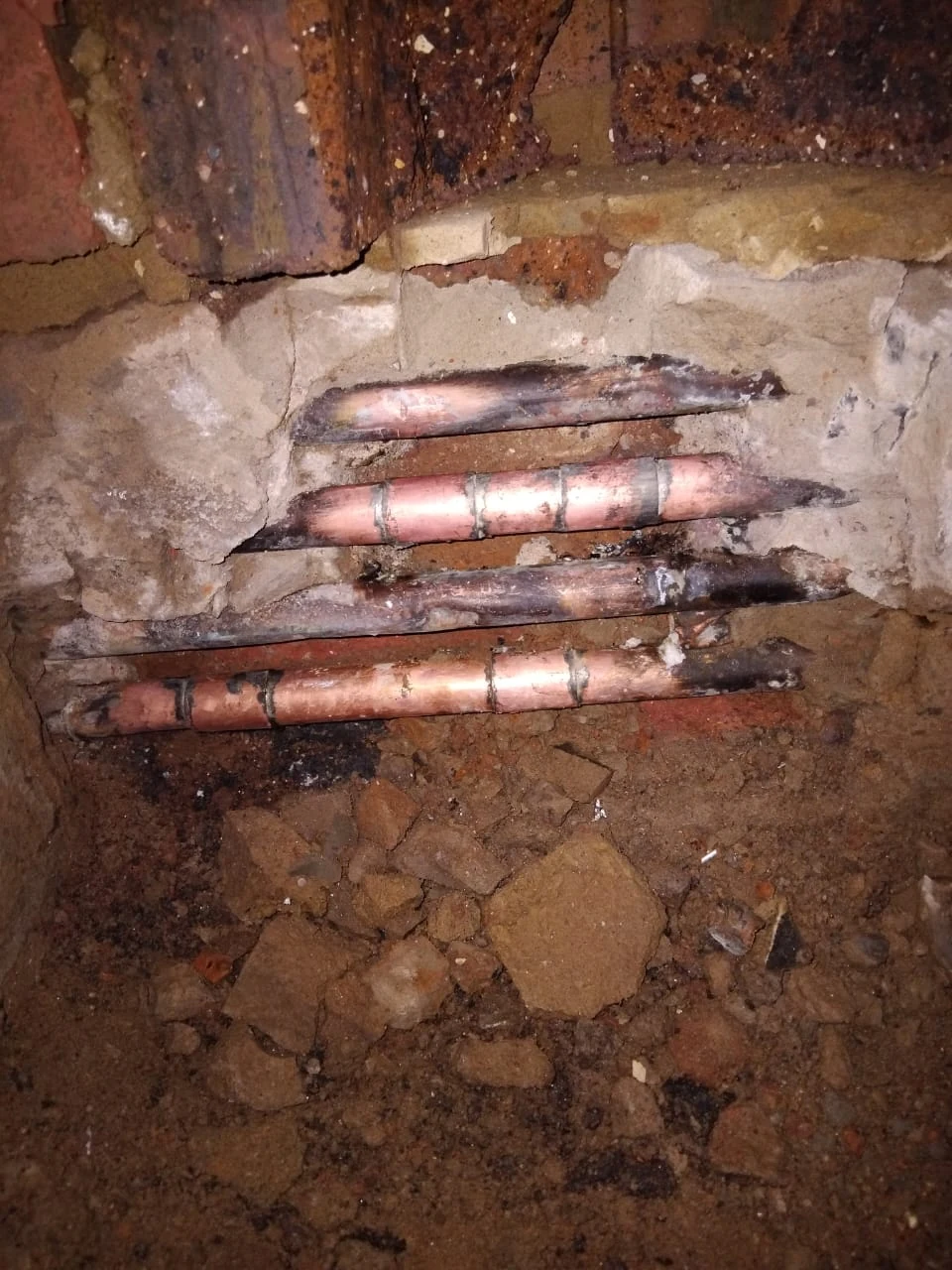
Low water pressure can affect one outlet, one part of a property or the entire plumbing system. The pattern usually reveals whether the cause is a blocked fitting, a partially closed valve, a hidden leak, ageing pipework, a pressure-control fault or a municipal supply problem.
Before you worry
Low pressure is frustrating, but it does not always mean the pipes need replacement. First establish whether the issue affects hot water, cold water, one fitting or every outlet.
How to recognise the problem
- A shower or tap that has become noticeably weaker.
- Pressure drops when another outlet is opened.
- Only hot or only cold water is affected.
- Upper floors have much weaker flow.
- Pressure changes at different times of day.
Common causes
- Blocked aerators, shower roses or cartridges.
- A partially closed stop valve.
- A hidden leak or burst pipe.
- Corroded, undersized or restricted pipework.
- A faulty pressure valve or meter-side restriction.
- Low municipal pressure or high local demand.
What you can safely check yourself
- Compare several hot and cold outlets.
- Clean removable tap aerators and shower roses.
- Confirm accessible isolation valves are fully open.
- Check the water meter for unexpected movement.
- Ask neighbours whether they have the same problem.
What you should never do
- Do not alter municipal meters or sealed valves.
- Do not install a booster pump before confirming supply conditions.
- Do not assume every weak outlet is a municipal problem.
- Do not ignore sudden pressure loss with dampness or meter movement.
When to call a plumber
Call a plumber when pressure falls suddenly, the meter suggests leakage, only part of the system is affected, or simple outlet cleaning does not help.
How professionals solve it
A plumber measures static and flowing pressure, compares outlets, checks valves and pressure controls, tests for leakage and assesses pipe size and condition. The repair is then matched to the confirmed cause rather than guessing.
How to prevent it happening again
- Clean outlet strainers periodically.
- Repair leaks promptly.
- Keep isolation valves accessible and operational.
- Service pressure-control components.
- Plan replacement of badly restricted old pipework.
Frequently asked questions
Why is only my shower pressure low?
The shower rose, mixer cartridge, flexible hose or local pipe may be restricted.
Can low municipal pressure be fixed inside my property?
Sometimes storage and compliant boosting can help, but the supply must first be measured and the design assessed.
Does low pressure always mean a leak?
No, but sudden unexplained pressure loss should be checked for leakage.
Need help with low water pressure causes?
Tell us how low water pressure causes affects your property and we will help plan the right response.