
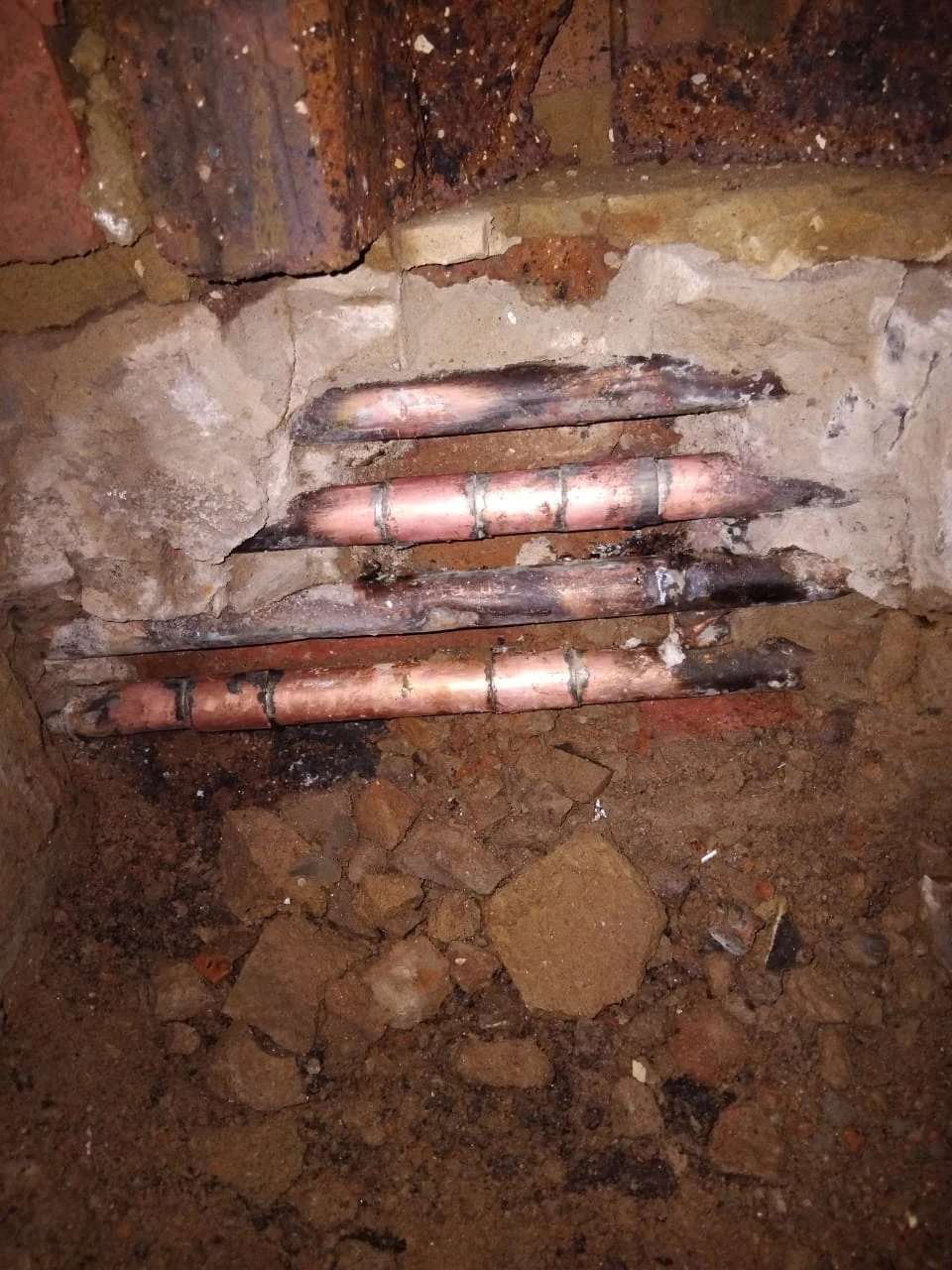
Pressure loss diagnostics focuses on where usable pressure is being lost. The cause may be a local fitting, a valve, a long or undersized pipe run, corrosion, a leak or insufficient incoming flow.
Before you worry
The weakest outlet is not always closest to the fault. Pipe routing, elevation and simultaneous demand can make symptoms appear elsewhere.
How to recognise the problem
- One branch is weaker than others.
- Pressure starts well then drops during use.
- Hot and cold sides behave differently.
- Upper floors are affected most.
- Pressure worsens when two outlets operate.
Common causes
- Blocked cartridges, aerators or filters.
- Partially closed or failed valves.
- Corroded or undersized pipes.
- Hidden leaks.
- Pressure regulator faults.
- Insufficient supply flow.
What you can safely check yourself
- Map which outlets are affected.
- Compare hot and cold sides.
- Test one outlet at a time and then simultaneous use.
- Check accessible valves and filters.
- Record whether the meter moves with all outlets closed.
What you should never do
- Do not replace large sections of pipe without isolating the restriction.
- Do not install pumps to overcome an unknown fault.
- Do not ignore sudden loss after building work.
- Do not open concealed pipework without a plan.
When to call a plumber
Call a plumber when the pattern is complex, pressure drops suddenly, leaks are suspected or several previous repairs have failed.
How professionals solve it
The plumber establishes baseline supply conditions, tests branches under flow, checks valves and regulators, isolates sections and uses leak detection or inspection where needed. The least invasive confirmed repair is then selected.
How to prevent it happening again
- Maintain valves and filters.
- Use adequate pipe sizes during alterations.
- Document concealed pipe routes.
- Repair leaks early.
- Retest after renovations or supply changes.
Frequently asked questions
What is the difference between low pressure and low flow?
Pressure is the driving force; flow is the volume delivered. Restrictions can produce acceptable static pressure but poor flow.
Can pipe size cause pressure loss?
Yes, especially over long runs or where several outlets operate together.
How long does diagnosis take?
Simple outlet faults may be found quickly; concealed or multi-branch problems can require staged testing.
Need a plumber for pressure loss diagnostics?
Tell us how pressure loss diagnostics affects your property and we will help plan the right response.