
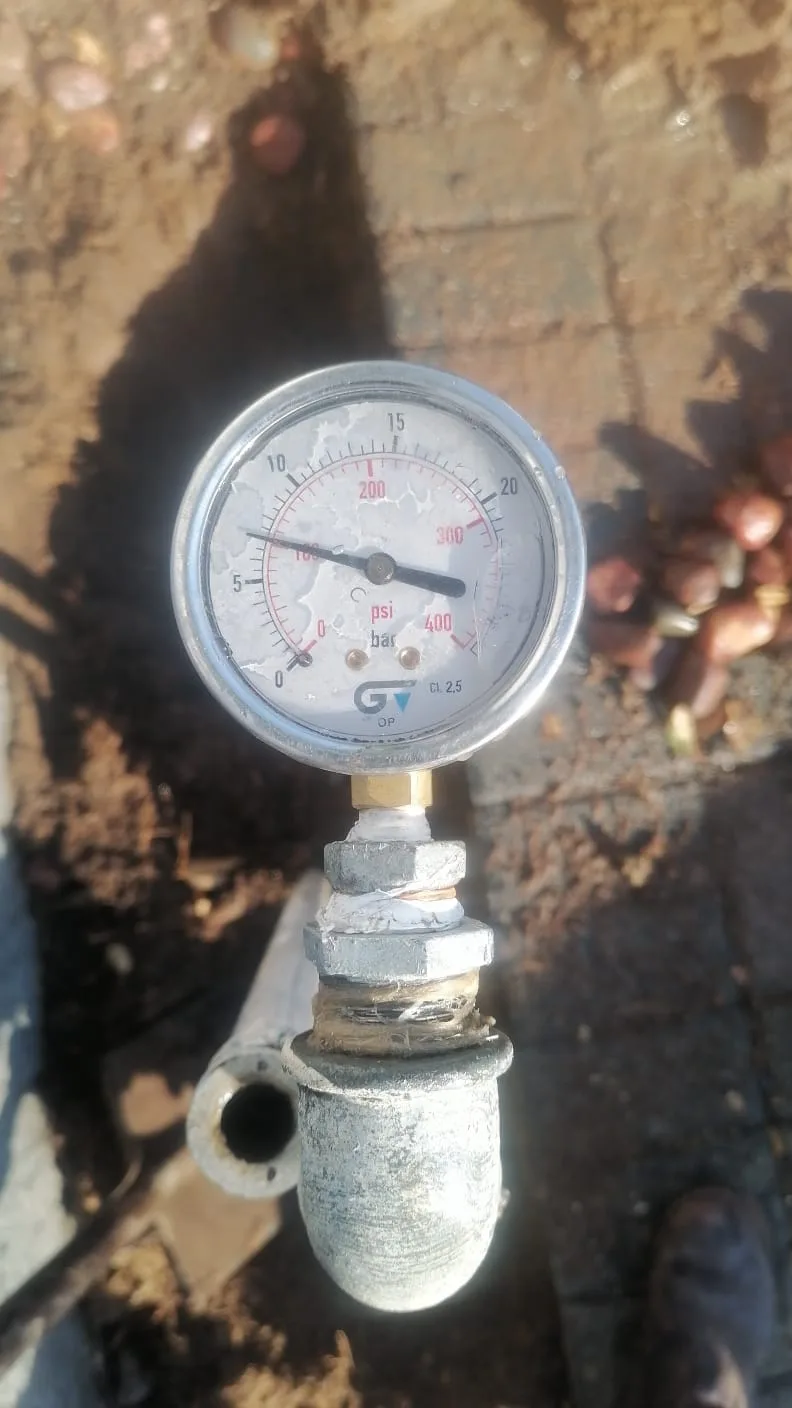
Pressure testing replaces guesswork with measured evidence. A single gauge reading is useful, but diagnosis often requires comparing pressure while no water is running, while outlets are open and at different points in the system.
Before you worry
A pressure test does not always mean pressurising pipes beyond normal operating conditions. For household diagnostics, it often means safely measuring actual supply behaviour.
How to recognise the problem
- Static pressure is normal but collapses under flow.
- Different parts of the property show different readings.
- Pressure rises excessively when water is not used.
- Readings fluctuate with pumps or municipal demand.
- A closed-system test shows pressure loss.
Common causes
- Supply pressure problems.
- Restrictions in valves or pipes.
- Undersized pipework.
- Leaks.
- Faulty regulators.
- Booster pump or expansion-control problems.
What you can safely check yourself
- Record when symptoms occur.
- Ensure the plumber can access entry valves and representative outlets.
- Mention pumps, tanks, filters and recent plumbing work.
- Avoid using multiple outlets during a controlled test unless requested.
What you should never do
- Do not attach unverified gauges to hot or unsafe points.
- Do not exceed component pressure ratings.
- Do not interpret one reading without flow context.
- Do not use pressure testing to conceal an active leak.
When to call a plumber
Arrange testing when pressure is persistently high, low or unstable, when leaks recur, or before designing a booster or regulator solution.
How professionals solve it
The plumber selects suitable test points, takes static and flowing readings, compares areas, checks regulator performance and may isolate sections. Results are interpreted together with pipe size, elevation and demand.
How to prevent it happening again
- Keep pressure-control equipment maintained.
- Test after major supply or pump changes.
- Record baseline readings for complex properties.
- Investigate sudden deviations promptly.
- Verify repairs with repeat measurements.
CUSTOMER QUESTIONS
What is static water pressure?
It is the pressure measured while no water is flowing through the system.
Why does pressure drop when a tap opens?
Some drop is normal under flow. A large drop can indicate restricted supply, undersized pipes or excessive demand.
Can pressure testing find a leak?
It can reveal pressure loss in an isolated section, but pinpointing the leak often needs additional methods.
What is dynamic or flowing pressure?
It is the reading taken while outlets are open so the system is under realistic demand.
Why compare readings at different points?
Differences between the entry point and remote bathrooms help locate restrictions, elevation effects or local faults.
When is pressure considered too high?
Persistently high static pressure stresses joints, mixers and appliances and often needs regulation.
Do booster pumps change how tests are done?
Yes. Tests must account for pump control, storage and whether the reading is measured upstream or downstream of the booster.
Should one gauge reading decide the repair?
No. Static, flowing and residual context together give a safer diagnosis than a single number.
When should testing be repeated after a repair?
After regulator, pipe or pump changes, repeat measurements confirm the intended result.
Can Plumb A Nator help with pressure diagnostics?
Yes. Contact the team for practical pressure testing and repair planning on Gauteng properties.
Need help with pressure testing explained?
Tell us how pressure testing explained affects your property and we will help plan the right response.