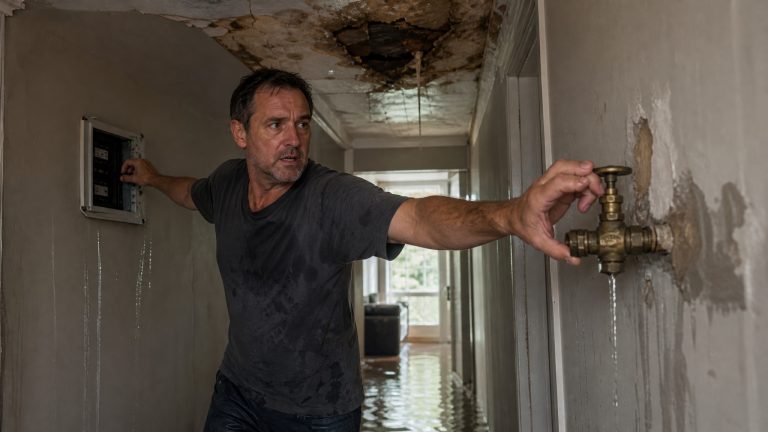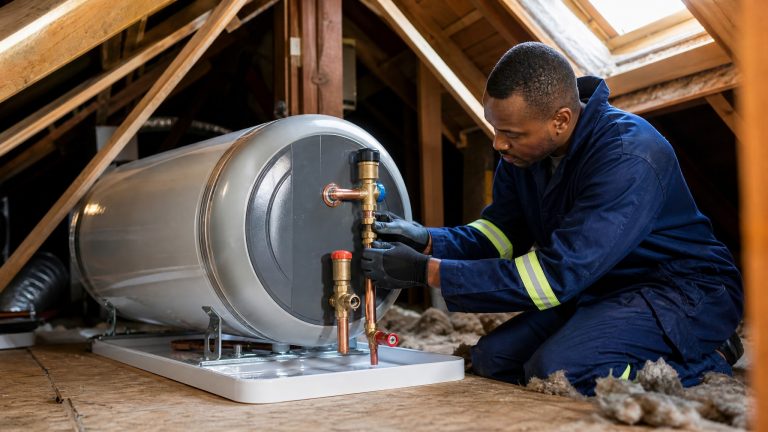

A burst pipe on a Friday night, a blocked grease trap before a Saturday dinner rush, a geyser failure in a building full of tenants, these are the moments that reveal whether a property has a plumbing plan or is simply hoping for the best. Commercial plumbing maintenance contracts exist to remove that guesswork. They set out, in writing, how often a plumber inspects the site, how fast they respond to a crisis, and what the business pays for both the routine and the unexpected.
For anyone managing a commercial building, that clarity matters more than the plumbing work itself. Facilities management plumbing decisions affect budgets, tenant satisfaction, and legal liability all at once, yet most operators sign contracts without fully understanding the tiers, response windows, or exclusions buried in the fine print. This guide walks through what a well-structured contract should contain, so you can compare quotes with confidence and negotiate terms that actually fit your site.
What Is a Commercial Plumbing Maintenance Contract (And Why Facilities Teams Need One)
A commercial plumbing maintenance contract is a formal agreement between a property or business and a plumbing contractor. It sets a schedule of inspections, defines what work is covered under a fixed or reduced fee, and spells out how emergencies are handled outside that scope. Instead of calling a plumber only when something breaks, the property pays for ongoing oversight designed to catch problems early.
This model matters for facilities management plumbing because uptime and budget predictability are the two things every operations manager gets judged on. A leaking valve that goes unnoticed for months can turn into a five-figure repair and an insurance headache. A documented maintenance history, on the other hand, gives facilities teams a paper trail they can point to when tenants complain, auditors ask questions, or a property changes hands.
How Preventive Plumbing Maintenance Plans Differ From Ad-Hoc Repairs
Ad-hoc repairs are reactive: something fails, you call a plumber, you pay for that single job at standard or emergency rates. There’s no ongoing relationship, no scheduled inspection, and no accountability for what happens between visits.
A preventive plumbing maintenance plan flips that model. The contractor visits on a set schedule to check drains, water pressure, geysers, and fittings before they fail. Building owners who sign multi-year preventive maintenance plans commonly report fewer emergency call-outs than those relying on reactive repairs, simply because small leaks and slow drains get caught during scheduled visits before they escalate. The trade-off is a recurring fee, but that fee is usually far smaller than the cost of even one avoidable emergency repair.
Maintenance Plan Tiers Explained: Basic, Standard, and Priority Contracts
Most commercial plumbing contractors structure their offerings in tiers. The terminology varies by company, but the pattern is consistent: a lower-cost plan with limited visits, a mid-tier plan with more frequent checks, and a top-tier plan that bundles priority response with broader coverage.
What Each Tier Typically Includes
A basic tier usually covers a set number of scheduled inspections per year, a written report after each visit, and standard-rate call-outs for anything found beyond the inspection scope. It suits smaller sites with simple plumbing systems and low usage.
A standard tier adds more frequent inspections, often quarterly instead of annual or semi-annual, along with a modest allowance of included call-out hours and faster scheduling for follow-up work. This is the tier most mid-sized office buildings and retail units land on.
A priority tier is built for sites where downtime is expensive or where regulatory exposure is high. It typically includes monthly or more frequent inspections, a guaranteed faster response window, more generous call-out allowances, and sometimes a dedicated account manager or technician who knows the site’s history.
Choosing a Tier for Office Buildings vs Restaurants vs Industrial Sites
Office building plumbing maintenance needs tend to be modest: restrooms, kitchenettes, and a handful of geysers, with fairly predictable usage patterns during business hours. A standard tier with quarterly inspections is often sufficient, unless the building is large or has ageing infrastructure.
Restaurant commercial plumbing is a different story. A restaurant kitchen with daily grease-trap loads typically needs monthly or even weekly drain checks, while a low-traffic office building may only need quarterly inspections. The tier should match usage intensity, not just square footage. Grease, food waste, and constant hot water use put far more strain on drains and traps than a typical office ever will, and understanding grease buildup prevention for commercial kitchens helps explain why restaurants often need a higher tier even when the site is small.
Industrial plumbing services sit at the top end of the spectrum. Industrial sites with process water or trade effluent often require a higher-tier contract that bundles compliance testing with routine maintenance, since regulatory inspections can trigger unplanned costs if documentation lapses. For these sites, the contract isn’t just about avoiding leaks. It’s about staying on the right side of environmental and health regulations.
Response Time SLAs: What to Expect and What to Negotiate
The service level agreement, or SLA, is the part of the contract that defines how quickly the contractor promises to respond once you call. This is often the most negotiated clause, and for good reason: a slow response to a burst pipe can mean thousands of rands in water damage before anyone arrives.
Emergency vs Routine Response Windows
Most contracts define at least two response categories. A true emergency (an active leak, no water supply, sewage backup, or gas-related plumbing fault) usually carries a short response window, often within a few hours, sometimes less for priority-tier clients. A routine issue, like a slow drain or a dripping tap that isn’t causing damage, gets scheduled into the contractor’s normal working queue, which might mean a response within a few business days.
It’s worth clarifying with your contractor exactly what counts as an emergency under the agreement, since definitions vary. Understanding when an emergency call-out is actually necessary can also help staff avoid triggering an emergency response, and the fee that comes with it, for something that could safely wait.
Emergency Call-Out Charges Outside Contract Hours
Here’s a detail that catches many facilities managers off guard: having a maintenance contract does not automatically mean emergency call-outs are free. Emergency after-hours call-out fees for commercial plumbing work are commonly two to three times the standard hourly rate, which is why negotiating SLA response windows into the base contract can meaningfully reduce total annual spend. Some priority-tier contracts include a set number of after-hours call-outs at no extra charge; most standard and basic tiers charge them separately, on top of the recurring fee.
Before signing, ask specifically what hours count as “after-hours,” how call-out fees are calculated, and whether there’s a cap. This single clause often determines whether a contract is genuinely cost-effective or just looks that way on paper.
What’s Included vs Excluded in Most Contracts
Contract disputes usually come down to one thing: the property owner assumed something was covered, and it wasn’t. Reading the inclusions and exclusions line by line before signing avoids most of these disagreements.
Standard Inclusions
Typical inclusions across most commercial plumbing maintenance contracts are:
- Scheduled drain and trap checks
- Geyser servicing and safety valve testing
- Leak inspections on visible pipework and fittings
- Water pressure testing, since fluctuating pressure often signals a developing fault (see common water pressure issues in commercial buildings)
- A written report or service log after each visit
Common Exclusions That Surprise Building Owners
What’s usually excluded is the expensive part: major pipe replacement, structural repairs, and any work caused by third-party appliance faults, such as a faulty dishwasher or industrial machine that damages connected plumbing. Contracts also typically exclude damage from external causes like ground movement, tree root intrusion beyond the first inspection point, or vandalism.
Emergency repairs stemming from neglect, say a blocked line flagged in a previous inspection report but never actioned, may also fall outside standard coverage, since the contractor already gave written warning. This is one more reason the inspection reports matter: they create a record of what was flagged and when. For context on what a major failure can cost when it isn’t caught early, it helps to look at typical burst pipe repair costs before deciding which tier of coverage makes financial sense.
Inspection Frequency and Preventive Maintenance Scheduling
Inspection frequency is the backbone of any preventive plumbing maintenance plan, and it should be set by usage, not by habit. A quiet office with a handful of restrooms may genuinely be fine with quarterly or even semi-annual visits. A restaurant, a gym with showers, or a building with commercial laundry facilities needs monthly attention at minimum, and sometimes weekly checks on high-load fixtures like grease traps.
Multi-unit residential and mixed-use properties sit somewhere in between, and the right cadence often depends on tenant turnover and the age of shared infrastructure, a comparison worth exploring alongside apartment building plumbing maintenance schedules if your site includes residential units.
The link between inspection frequency and cost is direct. Every missed inspection cycle is a window during which a small fault can grow into an emergency call-out, and emergency work almost always costs more than scheduled maintenance. Facilities managers who set inspection frequency based on actual usage, rather than the cheapest available tier, generally see that pay off as lower emergency spend over the life of the contract, not as a line-item saving on the invoice.
Compliance Documentation and Cost Structure for Commercial Contracts
Plumbing maintenance isn’t only about keeping water where it belongs. For most commercial properties, it’s also a compliance function, and the paperwork that comes with a contract is often as valuable as the plumbing work itself.
Compliance Certificates and Records You Should Receive
A commercial plumbing contractor should provide certificates of compliance for completed work, particularly for geyser installations, backflow prevention, and any work touching water supply or drainage systems that local regulations govern. Alongside certificates, you should receive a service log for every inspection: what was checked, what was found, and what action was taken or recommended.
Facilities managers are increasingly asked to produce plumbing compliance records, such as certificates of compliance and service logs, during insurance audits or property sales. That makes a documented maintenance history a financial asset, not just a compliance box-tick. Sites with process water, effluent discharge, or other regulated waste streams carry an added layer of obligation, and it’s worth reviewing plumbing permit and compliance requirements to understand what documentation your specific property type needs to keep on file.
How Contract Pricing Is Usually Calculated
Commercial plumbing maintenance pricing is generally built around a handful of variables rather than a flat industry rate. The main drivers are:
- Site size and complexity, number of fixtures, geysers, and drainage points
- Contract tier, basic, standard, or priority, reflecting inspection frequency and response speed
- Included call-out allowance, how many hours or visits are bundled before extra charges apply
- Property type and usage intensity, a restaurant or industrial site with heavier plumbing loads costs more to maintain than a comparable office
- Compliance requirements, sites needing regular certification or effluent testing typically pay more for the added administrative and testing work
Because these variables shift so much from one property to another, most contractors quote based on a site visit rather than a generic price list. That’s usually the more accurate approach anyway, since a paper estimate can’t account for the actual condition of a building’s pipework.
If you’re managing an office building, restaurant, or industrial site and want a maintenance contract that actually matches how the property is used, it’s worth requesting a tailored quote rather than accepting a one-size-fits-all package. A site assessment from a commercial plumbing team can identify the right tier, set realistic inspection frequency, and put clear SLA terms in writing before anything breaks. That’s a far better position to negotiate from than after an emergency call-out has already happened.