Quick action helps during a plumbing emergency, but hurried action without a clear safety plan can create a larger and more expensive problem. These are the mistakes homeowners, tenants and staff should avoid while arranging professional assistance.
Quick action checklist
- Protect people from water, sewage, heat and electricity.
- Isolate the relevant water supply when safe.
- Stop using affected fixtures and appliances.
- Limit damage without attempting unsafe repairs.
- Take photographs and give the plumber clear information.
Mistake 1: Ignoring electricity near water
Never enter standing water to unplug equipment or reach a distribution board. Keep people away and isolate electricity only from a dry, safe position. Electrical danger takes priority over protecting belongings.
Mistake 2: Forcing a seized shut-off valve
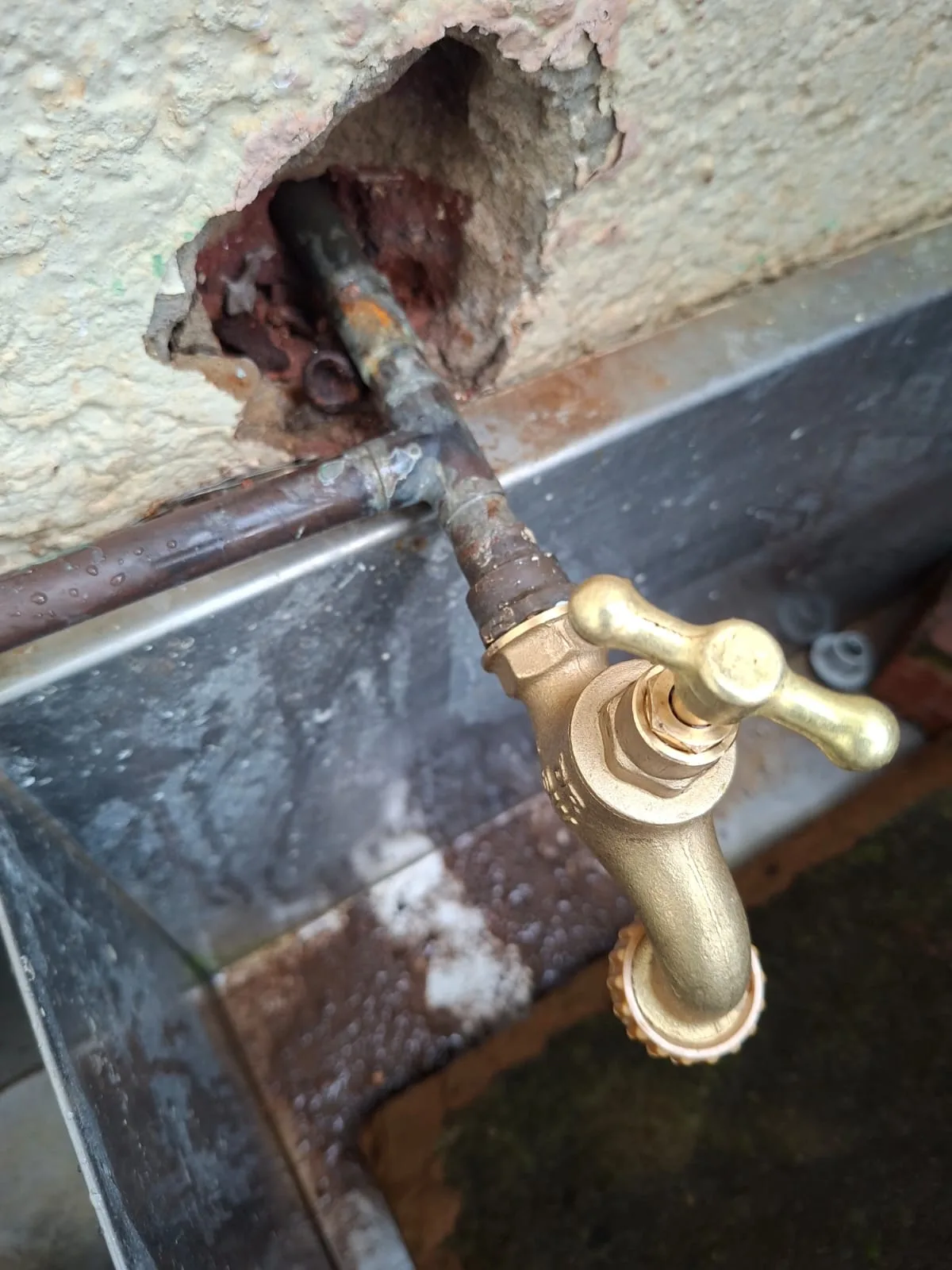
A corroded valve can snap when excessive leverage is applied. Turn valves steadily by hand or with the correct tool. Stop if the fitting twists, cracks or becomes unstable, and request help.
Mistake 3: Using strong drain chemicals during a blockage
Chemical drain cleaners can cause burns, damage some pipe systems and leave hazardous liquid for the plumber to encounter. They also do not solve collapsed pipes, roots or solid obstructions. Stop using fixtures and arrange proper diagnosis.
Mistake 4: Continuing to flush an overflowing toilet
Repeated flushing adds more water to a blocked system. Close the toilet feed valve if it is accessible, lift the cistern float only when safe, stop using connected fixtures and wait for the water level to settle.
Mistake 5: Puncturing a bulging ceiling
A ceiling holding water can collapse together with insulation, debris and electrical fittings. Keep the area clear. Do not stand beneath it or pierce it without professional assessment and a controlled safety plan.
Mistake 6: Dismantling a geyser or safety valve
Geysers contain hot water, pressure and electrical components. Never plug, cap or disable a safety discharge pipe. Isolate the circuit and incoming water when safe, then use a qualified professional.
Mistake 7: Applying random sealants to a pressurised leak
Tape, glue and putty applied to wet, damaged or pressurised pipework may hide the source briefly and then fail. Isolate the water instead of relying on an untested patch.
Mistake 8: Using every fixture to test a blocked drain
Running taps, flushing toilets and operating appliances can force more wastewater into a restricted line. Stop all connected use until the blockage location and cause are known.
Mistake 9: Cleaning sewage without protection
Sewage and contaminated drain water can carry harmful organisms. Keep occupants away, avoid skin contact and do not use ordinary household tools in a way that spreads contamination through the property.
Mistake 10: Hiding important information from the plumber
Tell the plumber about chemicals used, previous repairs, recurring symptoms, unusual noises and exactly which valves or circuits were switched off. Accurate information improves safety and diagnosis.
Mistake 11: Restoring water too quickly
After a repair or temporary isolation, water should be restored slowly while the affected area is observed. Sudden pressure can expose another weak joint or create water hammer.
Mistake 12: Treating recurring emergencies as unrelated events
Repeated leaks, blockages or pressure faults usually have an underlying cause. Ask for investigation rather than another surface-level temporary fix.
CUSTOMER QUESTIONS
What is the biggest emergency plumbing mistake?
Ignoring electricity near water. Keep people away from standing water and isolate power only from a dry, safe position before dealing with belongings.
Should I force a stuck shut-off valve?
No. Excessive leverage can snap a corroded valve and make isolation impossible. Turn steadily; stop if the fitting twists or cracks and call for help.
Can I pour strong drain chemicals during a blockage?
Avoid them. They can burn skin, damage some pipes, leave hazardous liquid for the plumber, and will not clear roots, collapse or solid obstructions.
Why must I stop flushing an overflowing toilet?
Each flush adds more water to a blocked system. Close the feed valve if accessible, stop connected fixtures, and wait for the level to settle.
Is it safe to puncture a bulging ceiling?
No. A water-filled ceiling can collapse with debris and electrical fittings. Keep the area clear and wait for a controlled plan.
Can I dismantle a geyser or safety valve myself in an emergency?
No. Geysers hold hot water under pressure with electrical connections. Never plug or disable a safety discharge. Isolate circuit and water only when safe, then use a qualified professional.
Do temporary sealants work on pressurised leaks?
Tape and putty on wet, damaged pipework often fail quickly and can hide the source. Isolate the water instead of relying on an untested patch.
Should I test a blocked drain by running every fixture?
No. That forces more wastewater into the restricted line. Stop all connected use until the cause is known.
How should sewage spills be handled before the plumber arrives?
Keep occupants away, avoid skin contact, and do not spread contamination with ordinary household tools. Professional cleaning may be required.
What information should I give the plumber?
Chemicals used, valves or circuits isolated, previous repairs, recurring symptoms, unusual noises, and clear photos of the affected area.
Ready for expert plumbing help?
We can help you interpret signs linked to emergency plumbing mistakes to avoid and arrange service if required.