
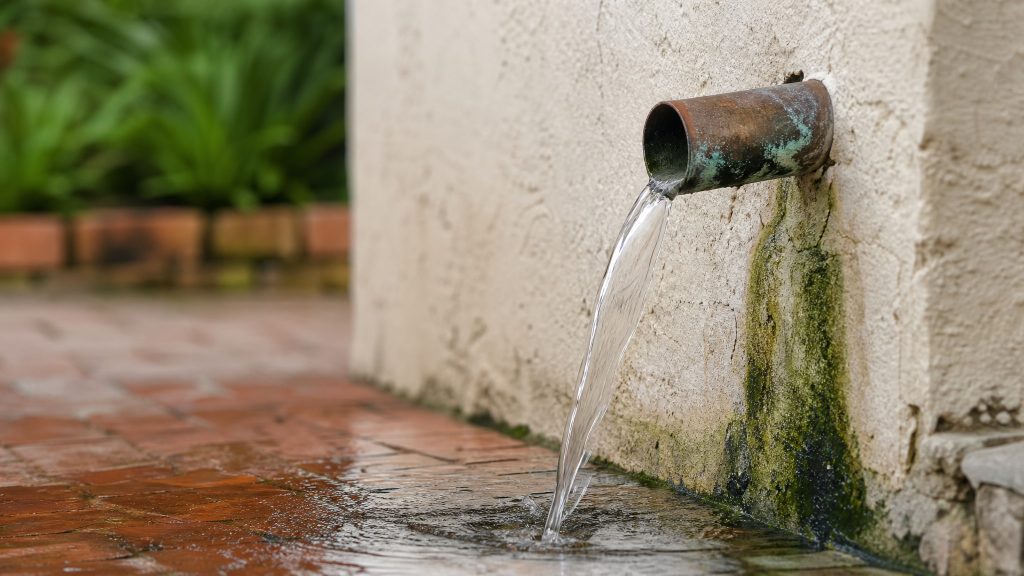
A dripping overflow pipe outside your home is one of the most common plumbing complaints in South Africa, and one of the most misunderstood. Seeing water running down an exterior wall often triggers panic about a bursting tank. Usually the reality is less dramatic. Knowing whether that water is normal operation or a real fault saves you an unnecessary emergency call-out, and helps you budget for repairs when they’re actually needed.
Is a Leaking Overflow Pipe Normal or a Warning Sign?
Telling safe thermal expansion apart from a mechanical fault comes down to the pattern of the discharge, not just the fact that water is there. Your geyser is a closed heating system. Water expands as it heats up, and that extra volume has to go somewhere or pressure builds dangerously inside the steel cylinder.
Normal Thermal Expansion Drips
Occasional dripping during a heating cycle is usually just physics doing its job. As the element heats cold water coming in after a shower or bath, the expanding liquid pushes out through the overflow pipe to balance internal pressure against the outside air. This should stop completely once the thermostat hits its set temperature. Between uses, the pipe should stay dry.
Constant Flow vs Intermittent Dripping
A continuous stream that keeps going regardless of heating status is a fault, and it needs a plumber. A continuously streaming overflow pipe typically wastes 15-20 litres per hour, which adds up fast on your water bill and points to valve failure or excessive supply pressure. Check the flow early in the morning, before anyone has used hot water. If it’s still running steadily with no recent demand, something has mechanically failed rather than simply expanded.
This constant waste isn’t a minor annoyance. It’s an active financial drain that compounds every day it goes unfixed.
Common Causes of Geyser Overflow Pipe Leaking
Finding the root cause stops you paying for repeated temporary fixes that treat symptoms instead of the actual mechanical failure. Our technicians find that over 70% of overflow pipe calls in Johannesburg trace back to failed PRV seals rather than genuine over-pressure events, so component wear should be your first suspect in most homes.
Faulty Pressure Relief Valve (PRV)
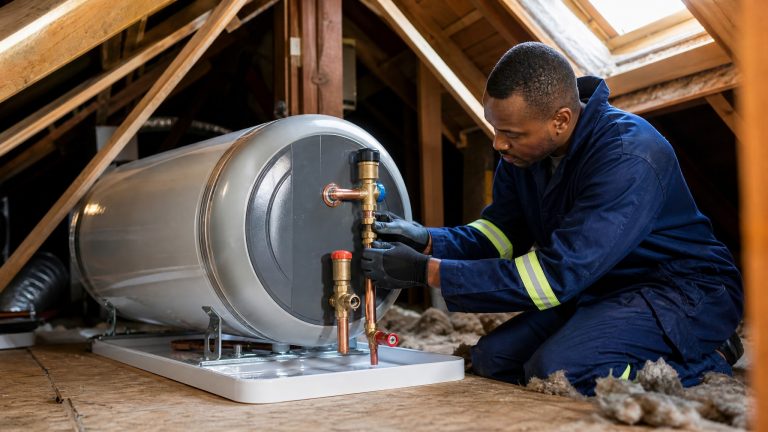
The pressure relief valve has a rubber seal that degrades over years of exposure to hot water and mineral deposits. Once that seal hardens or cracks, it stops reseating properly after releasing pressure during a heating cycle. Water then bypasses continuously, even once internal pressure is back to safe levels. Our guide on pressure relief valve diagnosis covers testing procedures and replacement indicators in detail.
Excessive Municipal Water Pressure
Municipal water pressure in many South African suburbs frequently exceeds 600kPa, well above the 400kPa threshold where pressure relief valves start cycling excessively. That chronic over-pressurization forces the valve open repeatedly through the day, wearing out the seal faster and producing leak patterns that look exactly like valve failure, even on a brand-new component. Without a pressure reducing valve installed upstream, no standard PRV lasts long under supply conditions like that.
Blocked or Kinked Overflow Piping
Physical obstructions in the discharge piping can create backpressure that stops the valve reseating properly, or redirects water somewhere unexpected. Debris, insect nests, or a kink from roof work can restrict flow enough to make a perfectly good valve look faulty. Check the visible pipe run for damage or blockage before you pay for a valve replacement you might not need.
Overflow Pipe vs Pressure Relief Valve: Key Differences
Mixing up these two safety mechanisms leads to misdiagnosis, wasted time, and the wrong repair request. The overflow pipe handles routine thermal expansion during normal heating, working as a passive vent for volume changes that happen every time your geyser runs. The pressure relief valve is different: it’s an active safety device that’s only meant to open during a genuine over-pressure event, one that could otherwise rupture the tank.
This distinction matters because thermal expansion issues and safety valve failures need different parts and different labour. If your leak actually comes from the vacuum breaker assembly rather than the main PRV, the repair changes entirely, our breakdown of vacuum breaker replacement costs walks through those cases. Getting the identification right means the plumber shows up with the correct parts instead of discovering mid-job that the quote doesn’t match the fault.
Misidentification is the single most common reason for a second call-out on overflow leaks.
Geyser Overflow Pipe Repair Cost in South Africa (2026)
Budgeting for a geyser overflow pipe repair means knowing current market rates across a few different scenarios. Prices vary by valve type, how accessible the geyser is, and whether you also need pressure management equipment to stop the same fault coming back quickly.
Valve Replacement and Labour Rates
Standard pressure relief valve replacement typically runs R850 to R1 500 including labour and a standard brass valve, as of 2026. Premium valves with longer warranties or high-temperature ratings push toward the upper end; straightforward swaps on an accessible geyser stay lower. Labour makes up roughly 40-50% of that total, which reflects the skill needed to isolate, partially drain, and safely reinstall pressurized components.
Pressure Reducing Valve Installation Costs
Installing a pressure reducing valve to protect against municipal over-supply adds R1 200 to R2 500, depending on valve quality and how complex the installation is. That cost often pays for itself within months, since it extends the PRV’s life and cuts water waste from chronic over-pressurization. Homes in high-pressure zones without this protection tend to face recurring overflow repairs that end up costing more than the preventive install would have.
When Repair Costs Signal Replacement Need
Repeated overflow repairs on a geyser older than eight years usually point to internal corrosion rather than an isolated valve fault. Once your cumulative repair spending gets to around 40% of replacement cost, a new unit with fresh warranty coverage starts to make more financial sense than another patchwork fix on ageing equipment. Weigh any repair cost against how much service life the geyser has left.
DIY Checks Before Calling a Plumber
A few basic checks can tell you whether you need a plumber or just some simple maintenance. They take minutes, and they give the plumber useful information to arrive prepared with the right parts and an accurate quote.
Testing the PRV Lever Safely
Find the pressure relief valve’s test lever, lift it gently to let out a brief burst of water, then release it and watch whether the flow stops completely. If water keeps streaming after the lever’s back in position, the seal has failed and needs replacing. Never force the lever or hold it open for long: too much manipulation can damage the mechanism or cause scalding from a sudden release of hot water.
Never cap or block an overflow pipe to stop it leaking. That pipe is the only visible warning you have of dangerous pressure building up inside the tank.
Inspecting Visible Pipework for Blockages
Trace the overflow pipe from the geyser to where it ends, checking for kinks, crushing, or debris along the way. Straightening a bent section or clearing a blockage sometimes fixes the problem with no parts needed at all. Note down what you find; it helps the plumber tell whether the issue is mechanical or just physical before they start taking anything apart.
If you’re still not sure, our guide on when to call an emergency plumber explains whether your situation needs an immediate response or can wait for standard scheduling.
When an Overflow Leak Signals a Bigger Geyser Problem
Chronic overflow issues sometimes point to systemic failure that goes beyond a worn valve or pressure imbalance. Catching these signs early can prevent a catastrophic tank rupture, and it helps you navigate insurance before any damage actually happens.
Corrosion and Age-Related Failures
Internal tank corrosion often shows up first as persistent overflow leakage that won’t go away no matter how many valves you replace. Sediment settling at the tank bottom creates hot spots that speed up metal fatigue, eventually weakening the tank in ways no external valve repair can fix. A geyser with rust staining around its fittings, or discoloured water alongside the overflow leak, is usually nearing the end of its life.
Warranty and Insurance Implications
Ignoring a documented overflow warning can complicate your cover if the geyser eventually fails and causes damage. Insurers increasingly want proof of regular maintenance and a timely response to known issues before they’ll honour a burst geyser claim. Check your policy’s requirements around warranty and insurance claims so you keep the right documentation and avoid a dispute later.
A leaking overflow pipe doesn’t automatically mean you need a whole new geyser. Ignore it long enough, though, and replacement often becomes inevitable anyway.
Booking a Same-Day Geyser Inspection
Give the technician specific information when you book, and they’ll arrive ready to fix the issue in one visit. Note whether the leak is constant or intermittent, roughly how old the geyser is, and any recent municipal water work nearby that might explain pressure swings. Mentioning whether you’ve already tested the PRV lever helps dispatchers assign the right level of seniority and set aside enough time, whether it’s a quick replacement or a more complex diagnostic job.
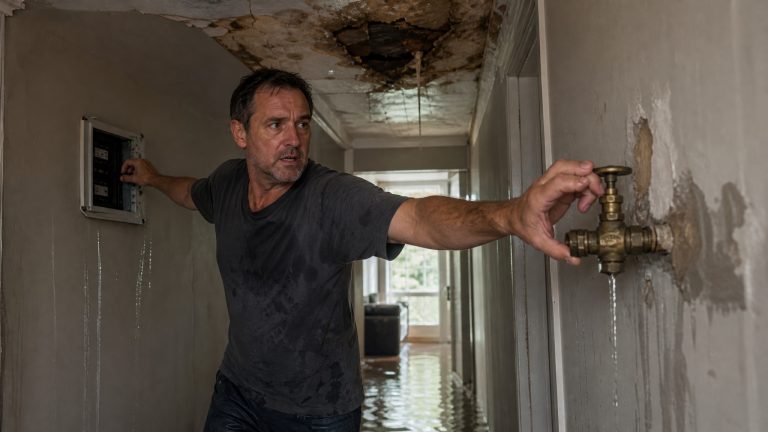
Dealing with a constant overflow leak promptly stops water damage to ceilings, walls, and foundations, damage that costs far more than the repair itself. A geyser repair quote in Johannesburg today gives you transparent pricing and same-day inspection, so there’s no guessing about whether your situation is urgent. Clear diagnostic criteria and upfront cost expectations mean you can decide based on actual risk, not anxiety over an unknown call-out bill.
1 Comment