A toilet that won’t flush properly is one of the most common calls plumbers get across South Africa. The fix is rarely the one you’d find in a generic overseas guide. Most articles on toilet not flushing properly assume constant mains pressure and a stable water supply. In South Africa, that assumption falls apart fast. Municipal pressure swings, scheduled and unscheduled water interruptions, and ageing infrastructure all change how you should troubleshoot the problem. This guide covers the local causes first, then gives you a practical DIY checklist, and tells you honestly when it’s time to stop and call a professional.
Why South African Toilets Struggle to Flush Properly
Before you touch the cistern, it helps to understand what’s different here. Overseas guides tend to jump straight to the flapper or fill valve. In South Africa, the supply feeding that cistern is often the real culprit.
Municipal Water Pressure and Supply Interruptions
Water pressure varies a lot between suburbs, and even street to street. It depends on your municipality’s infrastructure and how far you are from a reservoir or pump station. Older pipe networks, especially in parts of Johannesburg, Tshwane, and some coastal towns, deliver noticeably lower pressure than newer developments. Low incoming pressure means the cistern refills slower and sometimes doesn’t reach the level needed for a strong siphon flush. For more on how supply pressure affects fixtures throughout the house, read up on common water pressure problems in South African homes before assuming your toilet itself is faulty.
Our plumbers across Gauteng, the Western Cape, and KZN report that weak municipal water pressure and intermittent supply interruptions, not the cistern parts themselves, are among the most common reasons South African households call out a technician for a toilet that won’t flush properly.
How Load Shedding and Water Outages Affect Cisterns
Load shedding doesn’t just cut lights. It disrupts the pumps that keep municipal reservoirs and local booster stations running. That can lower water pressure or cut off supply entirely for hours at a time. In many South African towns, load shedding and municipal water outages can starve a cistern’s fill valve of consistent pressure. The tank ends up only partially full, and the flush fails to clear the bowl. If your toilet flushed fine yesterday and struggles today, check whether your area had an outage or load shedding stage change before assuming a part has failed.
Common Causes of a Weak or Failed Toilet Flush
Once you’ve ruled out a supply-side issue, the fault usually sits inside the cistern itself. A handful of parts cause most weak flushes.
Toilet Cistern Not Filling Correctly
A cistern that isn’t filling correctly usually points to one of three things: a faulty fill valve, a float set too low, or debris blocking the inlet after a water outage. Sediment and grit often get flushed into the system when supply resumes after an interruption, and that debris can lodge in the fill valve and restrict flow. If the water level sits well below the marked line inside the tank, the flush won’t have enough volume to clear the bowl properly.
Toilet Running Constantly and Its Link to Weak Flushes
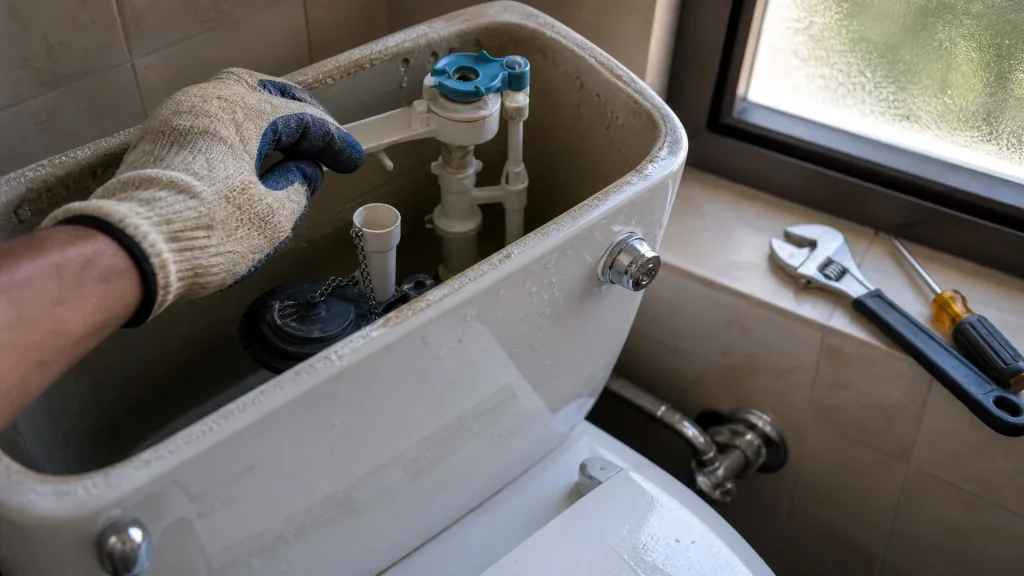
A toilet running constantly wastes water, but it also weakens the actual flush. If water leaks from the cistern into the bowl between flushes, the tank never reaches full capacity when you press the button. A worn or misaligned flapper valve is one of the most frequent causes of a weak or constantly-running toilet. It’s usually a same-day DIY fix once you know which part to buy at a local hardware store. A chain that’s too short can also hold the flapper slightly open, causing the same slow leak and the same weak flush.
Step-by-Step DIY Checks for a Toilet Cistern Not Flushing Properly
Work through these checks in order. Most weak-flush problems get solved within the first three steps.
- Lift the cistern lid and check the water level. It should sit close to the marked fill line or about 2cm below the overflow tube.
- Inspect the flapper seal for cracks, warping, or mineral buildup around the edges.
- Check the chain between the flush lever and the flapper for slack or snagging.
- Test the fill valve by holding the float down manually and watching whether water flows freely.
- Open the flush button housing and check that the mechanism isn’t stuck or corroded.
Toilet Flapper Replacement and Chain Adjustment
Flappers are cheap and widely stocked at hardware stores and plumbing suppliers around the country, so replacement is usually the easiest fix on this list. Turn off the water supply, drain the cistern, unhook the old flapper, and fit the replacement, matching the size to your existing model. While you’re in there, adjust the chain so it has about 1cm of slack when the flapper sits closed. Too much slack and the flapper won’t lift high enough for a full flush. Too little, and it holds the seal open, causing the constant running described above.
Fixing a Stuck or Faulty Flush Button
A toilet flush button stuck in place, or one that needs several presses to trigger, usually points to a worn or misaligned actuator inside the cistern lid, not the button itself. Dust, hard water scale, and general age all stiffen these mechanisms over time. Unclip the button assembly, clean off any scale buildup, and check that the plunger lines up correctly with the flush valve underneath before reassembling.
Dual-Flush Vs Single-Flush Toilet Troubleshooting
Older single-flush toilets rely on a siphon system: press the lever, and a rush of water creates suction that pulls waste through the trap. These systems fail less often but usually fail completely, giving you a clear “no flush at all” symptom rather than a weak one.
Dual-flush toilets, now common in newer South African homes and renovations, have a higher failure rate in the flush-valve seal than older single-flush siphon systems. That’s why so many dual-flush complaints involve a weak or partial flush rather than a full blockage. The seal sits under constant water pressure and wears unevenly between the two buttons, so a partial flush that clears liquid waste but not solids is often just a worn seal rather than a blockage. If you’re weighing up fixtures for a renovation, read about water-saving dual-flush fixtures and their maintenance needs before installing one.
When It’s a Blockage, Not the Cistern: Low Pressure and Gurgling Signs
If you’ve checked the flapper, chain, fill valve, and button, and the flush still won’t clear the bowl, the problem may not be the cistern at all. A partial blockage in the pan, the trap, or the drain line downstream can produce symptoms that look a lot like a weak flush.
Toilet Gurgling After Flush: What It Means
A gurgling sound after flushing usually means air is trapped somewhere it shouldn’t be, often because a partial blockage or a venting issue is disrupting normal water flow through the drain. Combined with slow drainage or water rising higher than usual before it drains away, gurgling is a strong sign the issue sits in the pipework, not the cistern. If you notice gurgling alongside bad odours or slow drains elsewhere in the house, review the signs of a sewage backup versus a simple blockage to rule out a more serious drain problem before attempting further DIY fixes.
Toilet Repair Costs in South Africa and When to Call a Plumber
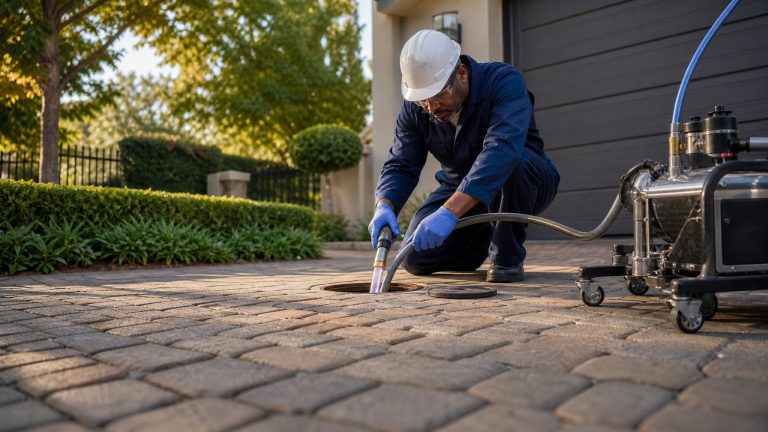
Toilet repair costs in South Africa vary depending on what’s actually wrong. Replacing a flapper, chain, or fill valve is a low-cost job if you do it yourself, since the parts themselves are inexpensive at most hardware stores. Calling a plumber for the same job adds a callout fee on top of parts and labour. A full cistern replacement, needed when the tank cracks or the mechanism is beyond repair, costs more than a simple parts swap. A blocked drain that needs clearing with specialised equipment sits at the higher end of the cost range. For a sense of what drain-clearing work involves, see this breakdown of blocked drain cleaning costs.
Sourcing Replacement Cistern Parts Locally
Flappers, fill valves, chains, and flush buttons are widely available at hardware chains and plumbing suppliers across South Africa. Bring the old part with you, or note the brand and model stamped inside the cistern lid. Fittings vary between manufacturers, and an ill-fitting flapper or valve won’t seal properly.
Signs You Need a Licensed Plumber, Not a DIY Fix
Licensed plumbers generally recommend stopping DIY attempts and calling a professional once you’ve checked the flapper, chain, and fill valve without success. Repeated flushing on a partial blockage can push waste further into the trap or soil pipe and turn a simple job into a costly one. Gurgling, slow drainage, recurring blockages, or a toilet that won’t flush at all despite a full cistern are all signs the problem has moved beyond parts replacement.
If you’re unsure whether a plumbing issue counts as urgent, it helps to understand when a plumbing issue counts as an emergency versus something that can wait for a scheduled visit. The same DIY-versus-professional judgment call comes up with other household fixtures too, as covered in this guide to DIY repair versus calling a plumber for leaky taps.
If your toilet still isn’t flushing properly after working through these checks, it’s time to bring in a professional rather than keep guessing. You can find a reliable plumber near you through plumber-plumbers.co.za and get the cistern, valve, or blockage issue sorted properly the first time.